Relaxation Massage vs. Deep Tissue in Richmond, VA: Which Massage Style Does Your Body Need Most?
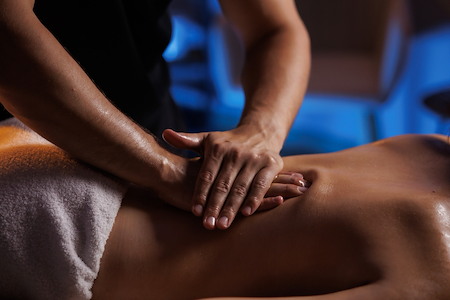
Stressed from I‑64 traffic or hours at a Short Pump or Downtown desk? You are not alone. Choosing the right massage can turn all that tension into steady relief. This guide breaks down the real differences between relaxation, Swedish, and deep tissue so you can pick the style that fits your goals and your week in Richmond, VA. If you want a lighter, soothing reset, explore our relaxation massage and see how gentle, rhythmic work calms your nervous system.
If you’re comparing relaxation massage vs deep tissue in Richmond, VA, start by thinking about your main goal: pure de‑stress, or targeted muscle change. We’ll help you match the right pressure and approach to your body’s needs.
What’s the Real Difference Between Relaxation and Deep Tissue?
Relaxation massage focuses on calming your nervous system. Expect long, flowing strokes, steady tempo, and light to moderate pressure that helps your breathing slow and your mind quiet. Most clients step off the table with less tension and a more even mood.
Deep tissue targets stubborn, deeper layers of muscle and fascia. Pressure is slower and more focused on problem areas like the neck, upper back, hips, or calves. It is ideal when you feel “stuck” or guarded in certain muscles, or you have long‑standing knots that never seem to let go.
Swedish vs. Deep Tissue: Pressure, Technique, and How It Feels
Swedish: The Classic Relaxer
Swedish is the foundation for most relaxation work. Your therapist uses gliding strokes and gentle kneading to boost circulation and loosen surface tension from head to toe. It’s great for first‑timers and anyone who wants to unwind without lingering soreness. For a deeper dive into how it works, skim our quick swedish massage guide.
Deep Tissue: Focused, Slower, More Specific
Deep tissue uses sustained pressure and slower pacing to reach deeper layers. You and your therapist will check in about intensity, making sure the work feels therapeutic and productive rather than sharp. Mild next‑day soreness can happen as tight areas release, but many people feel looser and more mobile afterward.
Which Massage Is Right for You in Richmond, VA?
Use your primary goal to decide. Picture a scale: on one side is full‑body calm; on the other is targeted change. Your best choice usually sits closest to your goal.
- Choose relaxation or Swedish if your top goal is stress relief, better sleep, and a gentle reset after back‑to‑back days in The Fan, Scott’s Addition, or Church Hill.
- Choose deep tissue if you’re dealing with recurring neck and shoulder knots from commuting or lifting, or you notice limited range of motion that won’t budge.
Tip: Tell your therapist about recent workouts, long drives, or weekend yardwork. The right context helps us adjust pressure and pacing for safer, better results.
When to Choose Each Style
Relaxation Massage Is a Fit When You:
- Feel wired, anxious, or mentally drained and need a nervous system reset.
- Want a lighter touch that still eases tightness without next‑day soreness.
- Are easing back into bodywork after time away or a busy season.
Deep Tissue Makes Sense When You:
- Have stubborn knots or post‑workout tightness that keeps coming back.
- Notice specific pain patterns, like desk‑related neck tension or hip stiffness from long drives on I‑95.
- Want focused work on a few problem areas rather than a full‑body flow.
Important: Productive pressure should feel intense yet manageable. Pain should never feel sharp or hot. Speak up anytime so we can dial it in.
Local Factors Richmond Clients Should Consider
Seasonal shifts matter here. Spring and fall pollen spikes can leave your sinuses and shoulders tense; gentler styles help you breathe easier and sleep better. Summer humidity can raise overall fatigue; a slower, soothing session may be the reset your nervous system needs. During marathon prep or river‑trail training, many clients rotate Swedish for recovery weeks and deep tissue for targeted relief.
How We Personalize Your Session at Nirvana Bodywork
There is no one‑size‑fits‑all plan. Your therapist will ask about your day‑to‑day routine, sleep, stress, and any activity around Carytown, Short Pump, or campus that might influence muscle tone and posture. Then we tailor the pressure and sequence to your goal for that visit. Sometimes a blended plan works best, starting with Swedish to warm tissues and finishing with focused deep work where you need it most.
Clear communication is everything. We will check pressure throughout and modify technique to match your tolerance. Hydration before and after your session helps reduce post‑massage soreness and keeps tissues supple as your body settles.
A Simple Decision Framework You Can Use
If Your Goal Is Calm
Start with relaxation or Swedish for two or three sessions, spaced to match your schedule, then reassess. If surface tension fades but deeper knots remain, we can add short bouts of focused work inside a relaxing session.
If Your Goal Is Change
Begin with deep tissue on one or two priority areas. We will hold a steady pace and adjust pressure as we go. If you feel worn out afterward, mix in Swedish on the next visit for balance. Many Richmond clients alternate styles based on workweeks, travel, and training.
Common Myths We Hear in Richmond, VA
“Deep Tissue Has to Hurt to Work.”
Not true. Effective deep work can feel intense, but sharp pain makes muscles guard and slows progress. We aim for firm, tolerable pressure that lets tissues release.
“Relaxation Massage Is Just Pampering.”
Also not true. Calming your nervous system supports better sleep, steadier mood, and lower background tension. Many clients report they think more clearly and handle long days better after a soothing session.
What Happens During Each Style
Relaxation or Swedish
You’ll get a full‑body flow with extra time where you carry stress, like shoulders or low back. Your breath slows, muscles soften, and your mind unwinds. It’s a great choice the week of big meetings or travel.
Deep Tissue
We focus on a few areas using slower, deeper techniques. Expect more feedback and small adjustments as we work, especially around the neck, traps, or hips. You should feel productive pressure with steady release, not bracing or holding your breath. If a persistent hotspot needs more, we may suggest pairing work here with a future deep tissue massage session for layered progress.
How Often Should You Book?
That depends on your body and schedule. People under heavy stress or training load often benefit from shorter, more frequent sessions at first, then taper to maintenance. If your main goal is steady calm through a busy quarter, monthly can work well. We’ll personalize a plan during your first visit and adjust based on how you feel week to week.
Safety Notes Before You Book
Always tell your therapist about recent injuries, changes in health, or medications. If you’re recovering from an acute strain, dealing with active inflammation, or unsure about deep pressure, we can start with gentle work and re‑evaluate. You remain in control of pressure at every step.
Real‑World Examples Around Richmond
Desk‑heavy week at Innsbrook technology offices? Relaxation or Swedish can downshift your nervous system so your shoulders stop creeping toward your ears. Training for a 10K along the Canal Walk? Focused deep work on calves and hips often improves stride comfort. Parenting on the go in the West End? A calming full‑body session lets your body and mind reset so you can sleep and recover.
Ready to Feel Better? Book Your Next Step
If you’re craving calm, a lighter touch can make a big difference right away. Explore our relaxation massage in Richmond, VA, then call 804-937-9830 to talk through goals with our friendly team at Nirvana Bodywork. We’ll help you decide if today calls for soothing flow or focused change.
Indulge in Tranquility With Our Massage Services in Richmond